

National Park & Reserve
Mount Kenya National Park
Country Kenya
Region East Africa
Best Time Jan, Feb, Aug, Sep
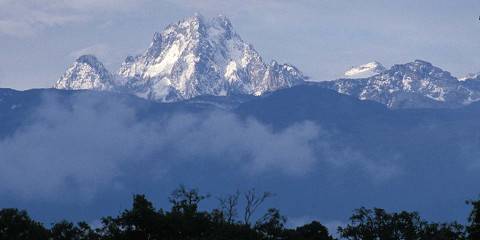
Mount Kenya National Park surrounds Africa's second-highest peak (5,199m) — an ancient eroded volcano straddling the equator. The park offers trekking routes to Point Lenana (4,985m) and technical climbing on Batian and Nelion peaks. The lower forest zones shelter elephant, buffalo, colobus monkey, and forest birdlife. The dramatic Afroalpine scenery — giant lobelias, glaciers, and moorland — is unlike anywhere else in Africa.
Geography
Park Map
Big 5 & beyond
Wildlife at Mount Kenya National Park
Sighting probabilities are based on aggregated visitor reports and professional guide surveys. Actual sightings vary by season, time of day, and specific zones within the park.
Available tours
Safari Tours visiting Mount Kenya National Park

Frequently Asked Questions
FAQ
When is the best time to visit Mount Kenya National Park?
The best months to visit Mount Kenya National Park are January, February, August, September. During these months, wildlife viewing is optimal with lower vegetation and animals congregating near water sources. Game drives in Kenya are most rewarding in the dry season.
What wildlife can you see in Mount Kenya National Park?
Mount Kenya National Park in Kenya offers diverse wildlife including large herbivores, predators, and over 400 bird species. The park's varied habitats support rich biodiversity, making each game drive a unique experience.
How much does a safari in Mount Kenya National Park cost?
Safari costs in Mount Kenya National Park range from $150–$300 per day for budget options, $300–$600 for mid-range, and $600–$2,000+ for luxury. Park entry fees in Kenya are additional. Use SafariPicked to compare prices across verified operators.
How do you get to Mount Kenya National Park?
Mount Kenya National Park in Kenya is accessible by road from the nearest city or by scheduled light aircraft flights (fly-in safari). Most operators include transfers in their packages. The drive offers scenic landscapes and potential wildlife sightings en route.
What accommodation is available in Mount Kenya National Park?
Mount Kenya National Park offers accommodation ranging from basic campsites to ultra-luxury lodges and tented camps. Options include budget-friendly camping, comfortable mid-range lodges, and exclusive private conservancies. Book through SafariPicked to compare all options.