

Monthly Safari Guide
Tanzania Safari in
February
Season overview
Calving Season in Tanzania
February falls within Tanzania's calving season, characterised by daytime highs of 31°C and overnight lows of 17°C. Average rainfall is 60mm, making this a moderately wet period.
The dry conditions mean vegetation is thinner, making wildlife easier to spot. Animals concentrate around permanent water sources, creating dense and dramatic viewing opportunities. Clear skies provide excellent visibility and photography conditions.
Wildlife & nature
Wildlife Highlights in February
- ● Peak wildebeest calving with 8,000+ births per day
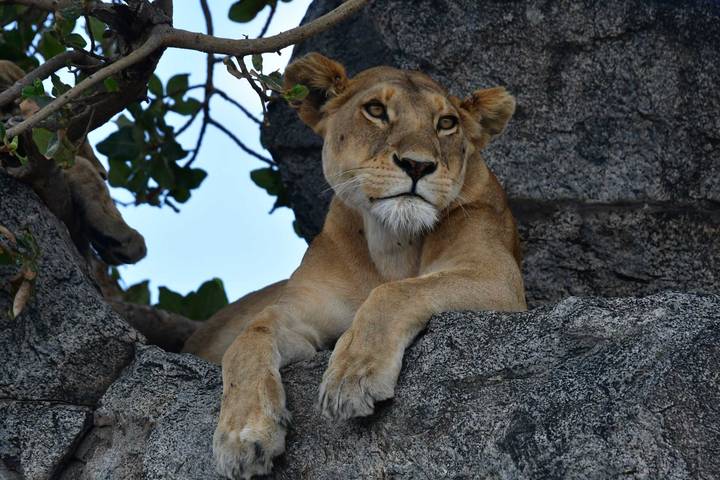
- ● Predator feast as lions, cheetahs, and hyenas target newborns
- ● Ngorongoro Crater black rhino sightings at their best
- ● Dramatic predator-prey interactions on the Ndutu plains
Where to go
Best Parks in Tanzania for February
★ Serengeti (Ndutu/Southern Plains)
Top pick this month
Ngorongoro Crater
Recommended for February
Tarangire
Recommended for February
Planning
Crowds & Pricing in February
Crowd Level
High
Price Level
High Season
Average price per person
Budget
$1581
from $60 · 2470 tours
Mid-range
$1762
from $100 · 10231 tours
Luxury
$3671
from $100 · 1209 tours
Ultra-Luxury
$11075
from $1048 · 63 tours
February commands high-season pricing in Tanzania due to excellent conditions and strong demand. Booking 3-6 months ahead is recommended for the best selection of camps and lodges.
Preparation
What to Pack for February
With temperatures between 17 and 31 degrees Celsius, layering is essential. Early morning game drives can be cold, while midday is warm. Neutral colours (khaki, olive, brown) are best for safari. Avoid bright whites and dark blues which attract tsetse flies in some areas.
Book your adventure
Top Tanzania Safari Tours
Frequently asked questions