

National Park & Reserve
Amboseli National Park
Country Kenya
Region Rift Valley
Best Time Jan, Feb, Jun, Jul, Aug, Sep, Oct
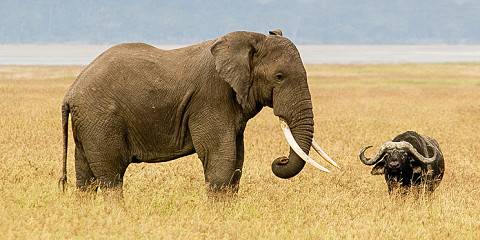
Der Amboseli-Nationalpark ist eines der bekanntesten Reiseziele Kenias und berühmt für seine großen Elefantenherden, die sich vor der Kulisse des Kilimandscharo erstrecken. Der 392 Quadratkilometer große Park konzentriert sich um ein ausgetrocknetes, uraltes Seebecken, das saisonal überflutet wird und dadurch eine große Anzahl von Wildtieren anzieht. In Amboseli leben einige der am besten erforschten Elefantenfamilien Afrikas, und die Kombination aus Elefanten und Kilimandscharo bei Sonnenaufgang ergibt die am häufigsten fotografierte Tierwelt-Szene des Kontinents.
Geography
Park Map
Big 5 & beyond
Wildlife at Amboseli National Park
Sighting probabilities are based on aggregated visitor reports and professional guide surveys. Actual sightings vary by season, time of day, and specific zones within the park.
Available tours
Safari Tours visiting Amboseli National Park



Frequently Asked Questions
FAQ
When is the best time to visit Amboseli National Park?
The best months to visit Amboseli National Park are January, February, June, July, August, September, October. During these months, wildlife viewing is optimal with lower vegetation and animals congregating near water sources. Game drives in Kenya are most rewarding in the dry season.
What wildlife can you see in Amboseli National Park?
Amboseli National Park is a Big Five destination where you can spot lion, leopard, elephant, buffalo, and rhino. The park in Kenya also supports diverse birdlife and smaller mammals, making it one of Africa's premier wildlife viewing areas.
How much does a safari in Amboseli National Park cost?
Safari costs in Amboseli National Park range from $150–$300 per day for budget options, $300–$600 for mid-range, and $600–$2,000+ for luxury. Park entry fees in Kenya are additional. Use SafariPicked to compare prices across verified operators.
How do you get to Amboseli National Park?
Amboseli National Park in Kenya is accessible by road from the nearest city or by scheduled light aircraft flights (fly-in safari). Most operators include transfers in their packages. The drive offers scenic landscapes and potential wildlife sightings en route.
What accommodation is available in Amboseli National Park?
Amboseli National Park offers accommodation ranging from basic campsites to ultra-luxury lodges and tented camps. Options include budget-friendly camping, comfortable mid-range lodges, and exclusive private conservancies. Book through SafariPicked to compare all options.